
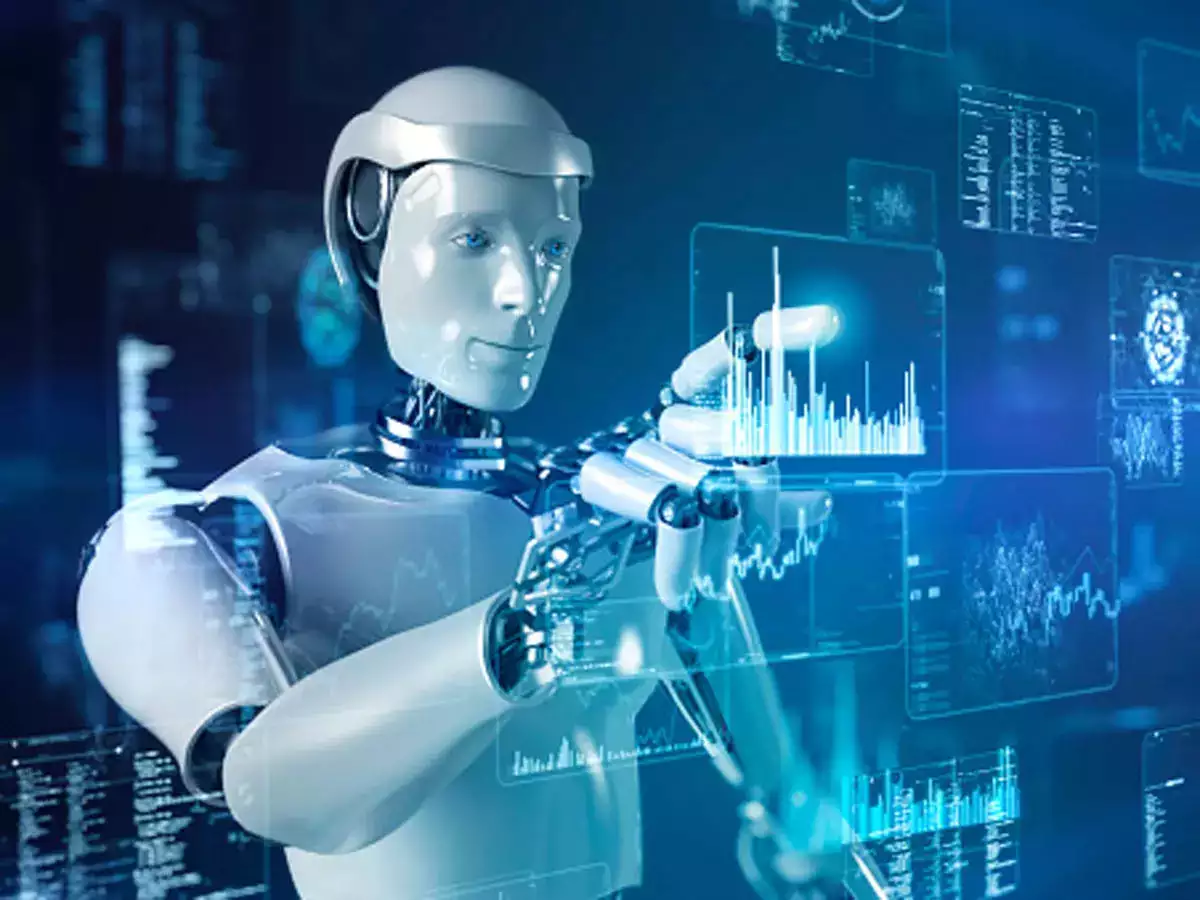
What exactly is AI?
Artificial Intelligence, commonly referred to as AI, is the capability of machines to emulate human intelligence processes, such as reasoning, learning problem problem-solving, and decision-making. AI systems are powered by algorithms that permit computers to process huge amounts of data, identify patterns, and take action without human intervention.
In the realm of education, AI has become a catalyst for transformation. It provides adaptive learning platforms and virtual assistants, as well as automation of administrative work, more. With the introduction of AI in the classroom and curriculum, students are now able to experience an efficient, smarter, and enjoyable method of learning.
Table of Contents
Benefits and benefits of artificial intelligence to Students
Let’s take a look at the most important benefits from Artificial Intelligence for students that have revolutionized the future of education.
Personalised Learning Experience
AI assists in tailoring educational content based on the learning style, speed, interests, and pace. AI-driven platforms analyze performance data to pinpoint strengths and weaknesses, providing specific feedback and the appropriate resources.
For instance, platforms such as Khan Academy and Coursera use AI algorithms to recommend courses based on students’ performance. This personalized approach increases retention and comprehension, particularly for students who require extra assistance or are gifted learners who require advanced materials.
Stat: In a McKinsey report, personalized learning with AI can boost student performance by as much as 20%.
24/7 Access to Education
AI chatbots and virtual tutors are available 24 hours a day to help students solve their questions during non-classroom hours. This is particularly helpful in the course of exam preparation or when you are attending online classes across multiple time zones.
Students are able to interact with these robots to get explanations, questions to practice, or even for emotional support, thus making them less dependent on tutors who are human.
The fact is that a survey in 2021 found that 60 percent of students would prefer AI apps for late-night studying sessions over emailing their teachers.
Quick Feedback & Assessment
AI systems offer instant feedback on exams, assignments, and assignments. This allows students to spot errors immediately and then take advantage of them, without having to wait for manual grading.
Teachers also gain as AI helps them to reduce the burden of answering questions and frees them up for more engaging sessions.
Stat: Automated grading with AI has reduced the time for feedback by 50 to 70 percent in classrooms that use digital technology.
Smart Content Creation
AI can be used to create intelligent and interactive content, such as digital textbooks and videos, lectures, simulations, and AR-based models. These formats make complicated subjects more comprehensible and enjoyable.
For instance, AI can summarise long texts into essential points as well as generate flashcards. AI can even produce visual representations of theories and data.
The fact is that a Deloitte study found an 82% percentage of teachers believe that smart content can improve the engagement of students and help with memory retention.
Accessibility Improvement
AI helps students with disabilities with tools such as speech-to-text real-time translation, as well as audiobooks. Hearing and visually impaired students can benefit from these tools to remain on par with their peers.
Furthermore, AI translation tools make students who do not speak their native language to gain access to and comprehend the instructional materials.
Microsoft’s AI-Learning Tools provide more than 13 million users around the world by providing reading challenges and more detailed ones.
The Career Guidance Service and the Counselling
AI can analyze the student’s performance, interests, and character to recommend suitable career pathways. AI also suggests programs, internships, and job openings according to trends in the labor market and the individual’s aptitude.
This AI counseling is particularly helpful in the initial decision-making phase, like college admissions.
Stats: According to the World Economic Forum, AI-based career tools boast a 90 percent match rate when compared to human counselors.
Student Engagement
Gaming-based learning and AI tutors help students engage in interactive classes, quizzes, and rewards. The aim is to keep students motivated and interested, particularly in subjects that they find difficult.
AI detects when a student is bored and alters the pace or content to re-engage them.
In fact, educational institutions that use AI games report 30% – 50% greater participation rates for online courses.
Analytical Insights to Improve
AI gathers data about students’ behavior, attendance performance, performance, as well as interactions to offer insights that aid teachers and students to improve their outcomes. Predictive analytics also helps identify students who are at risk, which allows for prompt intervention.
Statistics: A study conducted by IBM found that AI learning analytics improves retention rates by a whopping 15 percent.
Language Learning Support
AI tools aid students in learning new languages by assisting with grammar and pronunciation corrections and the development of vocabulary. Apps such as Duolingo and Babbel make use of AI to tailor lessons and monitor the progress made.
These tools are crucial for international students and those looking to prepare for global opportunities.
In fact, language learners who employ AI tools are 4 times more likely to remember the new vocabulary than traditional methods.
Time Management and Organisation
AI apps such as smart calendars, to-do lists, and productivity aids for students, to effectively manage their academic workloads. These apps can help plan study sessions, send reminders, and monitor deadlines.
This translates into more efficient time management and less stress in the classroom.
Example: Students who use AI planners have reported 20% better time utilization, according to the EdTech Magazine report.
Beyond Benefits: What are the risks and concerns?
Although the advantages that come from Artificial Intelligence in education are amazing, there are legitimate questions and issues to consider.
1. Privacy and Security of Data Privacy and Security
AI systems require huge quantities of data from students for efficient operation. Making sure that this data is protected as sensitive data is essential to ensure that there are no breaches or misuses.
2. Technology is too dependent
Relying too heavily on AI could limit creativity, critical thinking, and problem-solving skills. Students need to find the right balance between human learning and machine learning.
3. Inequality and bias
In the event that AI models are developed based on inaccurate data, it could perpetuate inequality, particularly when it comes to recommendations or assessments. A moral AI usage requires constant monitoring and updating.
4. Concerns about job displacement
While AI creates new careers but it could also automate tasks traditionally performed by counselors or teachers and leading to job uncertainty in the field of education.
5. Digital Divide
Many students do not have equal the same access to AI devices or high-speed internet. This results in a gap between students from rural and urban areas and creates a gap in education.
Explore Your Future Learning to Study B.Tech Artificial Intelligence and Machine Learning at MVIT
If you are a student who wants to utilize and create AI solutions, getting a B.Tech degree in Artificial Intelligence and Machine Learning is the best option. In MVIT (Maharaja Institute of Technology), the AI & ML department is designed to produce globally-competent engineers who are industry-ready and aspire to be innovative.
Why should you choose MVIT?
- Industry-oriented Curriculum: MVIT’s B.Tech for AI & ML covers cutting-edge subjects like Deep Learning, Natural Language Processing (NLP), Robotics, as well as Neural Networks.
- Expert Faculty: With professors who have professional experience and academic excellence, MVIT ensures that students receive the most qualified instructors.
- Innovative Labs: Students receive real-world experience by participating in hackathons, live projects, and AI labs that have the most recent technology.
- Internship and placement opportunities: MVIT has a strong connection with companies within the AI, IT, and analytics industries and assists students in securing internships and positions in the top companies.
Final thoughts
Artificial Intelligence is transforming how students learn, communicate, as well as prepare themselves for the future. The advantages that come from Artificial Intelligence in education include individualized learning, greater accessibility, speedier assessments, and more efficient career planning. But students need to know its limitations as well as ethical issues.
Institutions such as MVIT provide future generations with the know-how and abilities to apply AI and invent with AI. If you are looking for an era where you could influence the world by using the use of technology, AI education at MVIT might be the ideal choice for you.